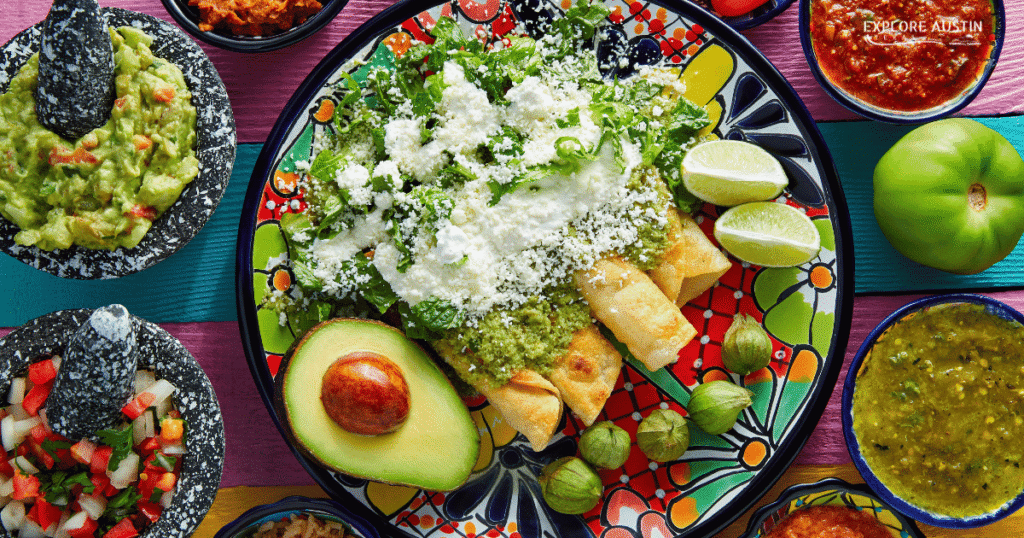
If you’re searching for the best Mexican food in Austin, you’ve landed in the right place — and the right city. Austin’s Mexican food scene is one of the most layered, culturally rooted, and quietly extraordinary in the American South, shaped by decades of immigration from Oaxaca, Veracruz, Monterrey, and Mexico City. That heritage shows up in everything from the way tortillas are hand-pressed to the way moles are built, one toasted dried chile at a time.
What sets Austin apart is the remarkable range. Mexican restaurants in Austin run from James Beard Award–winning taquerias serving seasonal heirloom corn tortillas, to family-owned diners where a grandmother’s carne guisada recipe hasn’t changed in thirty years. Many double as healthy restaurants in their own right — think fresh masa, grilled meats, hand-pressed corn tortillas, and salsas made daily from whole chiles, with none of the processed shortcuts found elsewhere. Neither style is more “authentic” — they’re different expressions of a cuisine that has always been alive and always evolving. This guide tells you what each place actually does well, what to order specifically, and what kind of eater it’s right for.
“Austin’s best Mexican restaurants share one quality: they treat the tortilla as seriously as the filling.”
Quick Picks
Whether you have one meal or a full week, these are the Mexican restaurants in Austin that consistently deliver — across price points, neighborhoods, and cooking styles.
Best for Authentic Street-Style Tacos
Veracruz All Natural
Started as a trailer, now a full institution. The migas taco — eggs, crispy tortilla strips, pico, avocado on handmade tortillas — is one of the city’s most iconic breakfast tacos in Austin. Everything is made with real restraint and fresh ingredients daily.
Order: Migas taco, fish taco, agua fresca
Las Trancas Taco Stand
A beloved taco truck serving Mexico City–style street food with well-seasoned meats and generous portions. Cash only, seats about twelve. Al pastor carved fresh off the trompo. Go after 9pm when the line thins out — this is late night tacos in Austin at its best.
Order: Al pastor, suadero, horchata
Best for Classic Local Favorites
Juan in a Million
A true local institution. The Don Juan plate — a towering breakfast taco loaded with eggs, potato, bacon, and cheese — has fed East Austin for over four decades. Go early on weekends, expect a line, and don’t rush. The chaos is part of it.
Order: Don Juan plate, bean and cheese taco
Habanero Cafe
Family-run and unpretentious, Habanero is where locals go for honest Tex-Mex. The carne guisada — braised beef in a thick chile gravy — is the kind of dish you’ll crave for days. Generous portions, fair prices, and a staff that treats regulars like family.
Order: Carne guisada plate, bean and cheese enchiladas
Best for Elevated Mexican Dining
El Naranjo
Chef Iliana de la Vega’s restaurant is the most technically serious Mexican kitchen in the city. The Oaxacan mole takes days to build — complex, earthy, balanced — and stone-ground tortillas are made in-house from heirloom corn masa. This is the best authentic Mexican food in Austin for a sit-down experience.
Order: Mole negro, ceviche, stone-ground tortillas
La Condesa
The most stylish Mexican dining room in downtown Austin. Modern interpretations of Mexican classics, a curated craft margaritas and mezcal menu, and a room that feels both lively and intimate. The best Mexican food in downtown Austin for a special occasion.
Order: Duck carnitas, guacamole, mezcal cocktail
Best for Modern & Creative Mexican Cuisine
Nixta Taqueria
Chef Edgar Rico earned a James Beard Award here, and the food justifies every bit of the recognition. Seasonal taco fillings rotate constantly — smoked duck, mushroom adobo, roasted squash — and the nixtamalized heirloom corn tortillas are exceptional. No other taco truck in Austin TX does what Nixta does.
Order: Seasonal rotating tacos, whatever’s on the chalkboard
Insider tip
Las Trancas is cash-only, has no website, and is easy to miss. The al pastor is carved fresh off the trompo — if it’s not spinning when you arrive, ask how long the wait is and stay. It’s worth every minute.
Best Mexican Food in Austin: What to Actually Expect
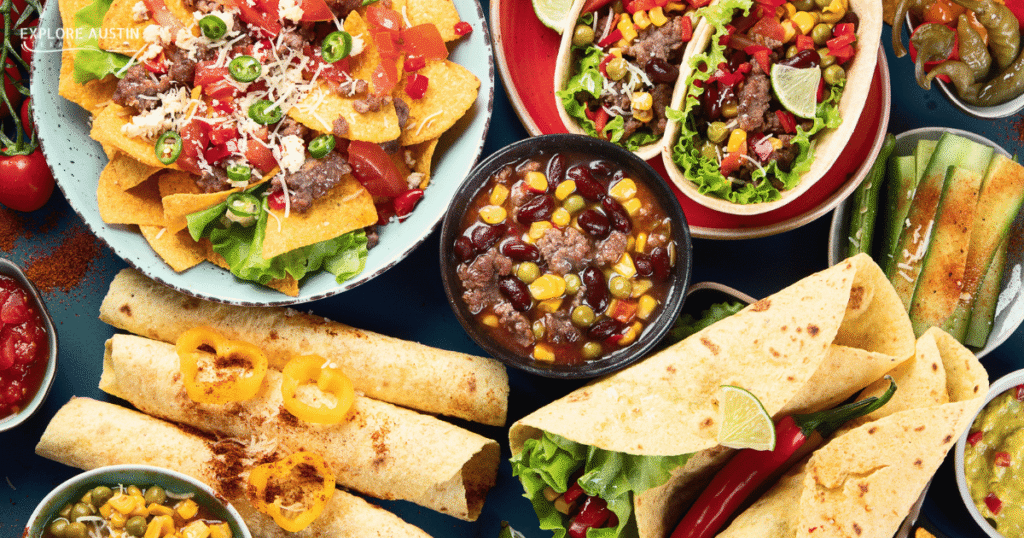
Austin’s Mexican food scene earns its reputation because the best kitchens here don’t cut corners on the things that matter. The tortilla is made fresh. The salsa is made daily. The meats are seasoned the night before and cooked low and slow. These aren’t marketing claims — they’re decisions that show up clearly in the food.
What you’ll also notice, if you eat your way across the city, is that “Mexican food” in Austin isn’t one thing. A restaurant drawing from Oaxaca will look completely different from one drawing from Veracruz or Nuevo León. The best guides — and the best meals — acknowledge that difference rather than flattening it into a generic category.
What Defines Authentic Mexican Food
The word “authentic” gets overused in food writing, but it points at something real: a commitment to technique over convenience. Authentic Mexican cooking is built on patience. Tortillas are hand-pressed from masa ground in-house or from fresh nixtamal — not bought frozen. Salsas are made in small batches with fresh chiles each morning, not from cans. Meats are marinated overnight and cooked slowly for depth, not speed.
Regional identity matters too. Oaxacan food is defined by its moles — complex sauces built from dried chiles, chocolate, and toasted spices that take days to make. Northern Mexican cooking centers on grilled meats and flour tortillas. Veracruz brings coastal influences: ceviches, seafood tacos, pickled jalapeños. A kitchen that tells you where its recipes come from is a kitchen worth trusting.
The Dishes You Need to Try in Austin
These aren’t just popular — they’re the dishes that best represent what Austin’s Mexican food scene does at its highest level. Knowing what makes each one great helps you order confidently anywhere.
Street Tacos
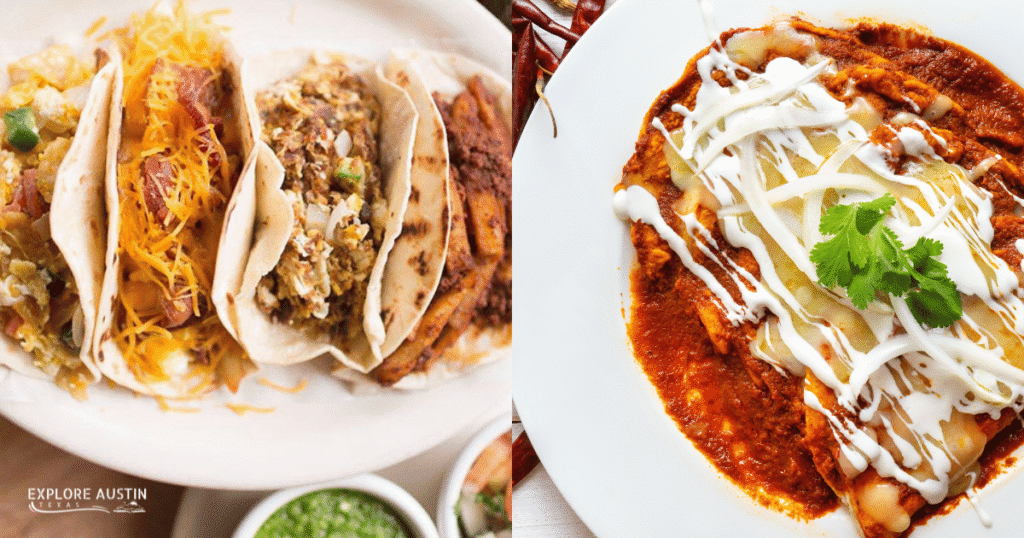
Al pastor, barbacoa, carnitas
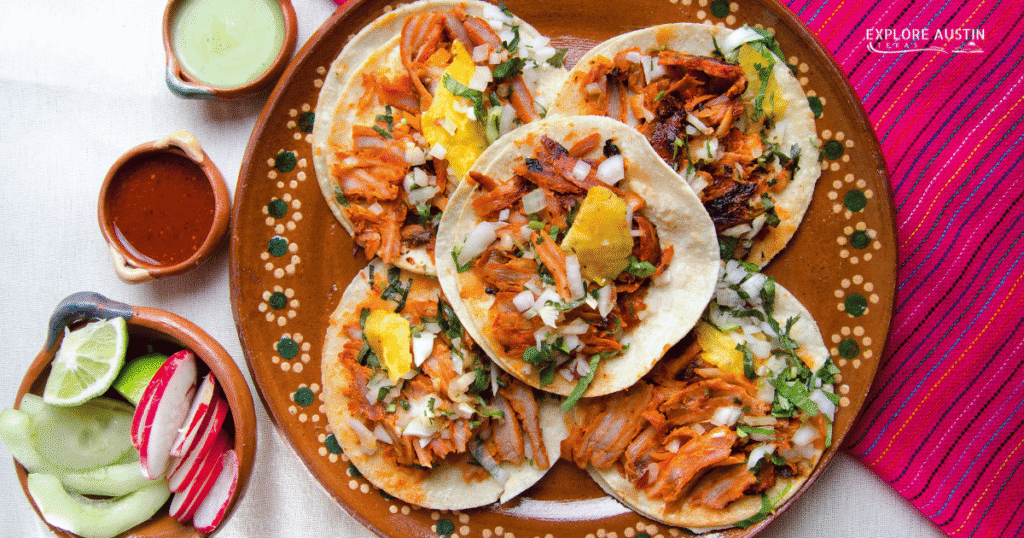
A proper street taco has two small corn tortillas (always two — one isn’t enough to hold the weight), seasoned meat, fresh-chopped white onion, cilantro, and a wedge of lime. That’s it. If a restaurant charges extra for salsa or piles on shredded iceberg lettuce, move on. The best street tacos in Austin don’t need decoration — the quality of the meat and the freshness of the tortilla do all the work.
Enchiladas
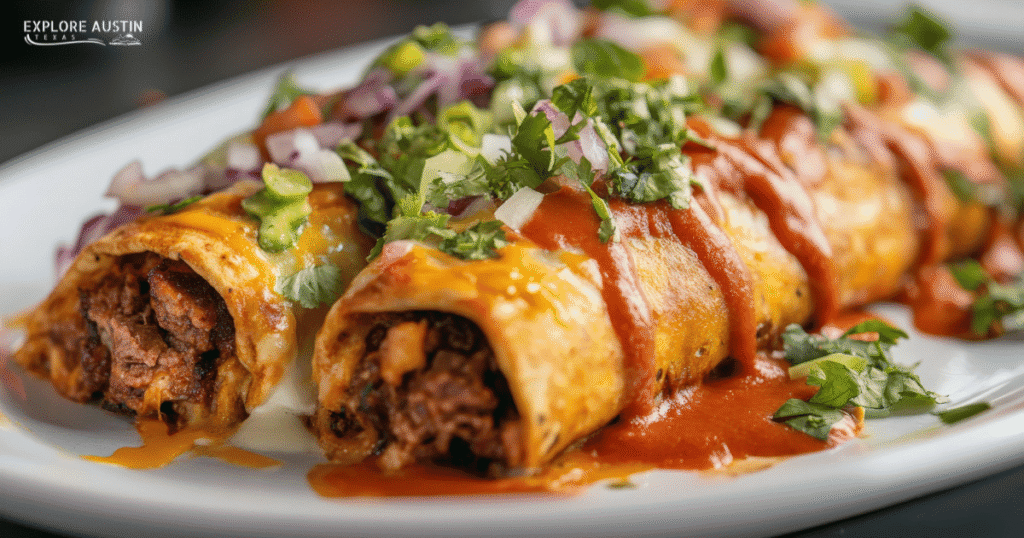
Red chile, tomatillo, mole
The best enchiladas in Austin are defined by their sauce, not the quantity of cheese on top. A good red chile sauce tastes of dried guajillos and anchos — earthy and deep, not flat and sweet like canned tomato. Mole enchiladas, when done properly, are in a different category entirely. Ask which sauce is made in-house before you order. The answer tells you everything about the kitchen.
Tamales
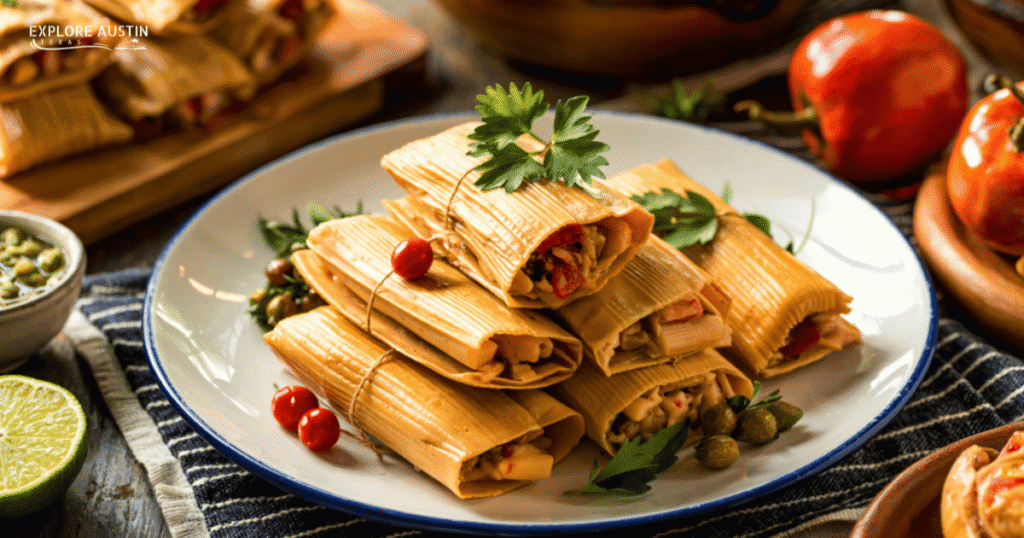
Masa, slow-steamed
Tamales are weekend food — labor-intensive, traditional, and best eaten simply. The masa should be soft but not gummy; the filling well-seasoned but not aggressive. Family-run spots in East Austin tend to make the best ones. If you see them on a lunch menu, they were probably made that morning. If you see them Tuesday at 8pm at a chain restaurant, skip them.
Quesadillas
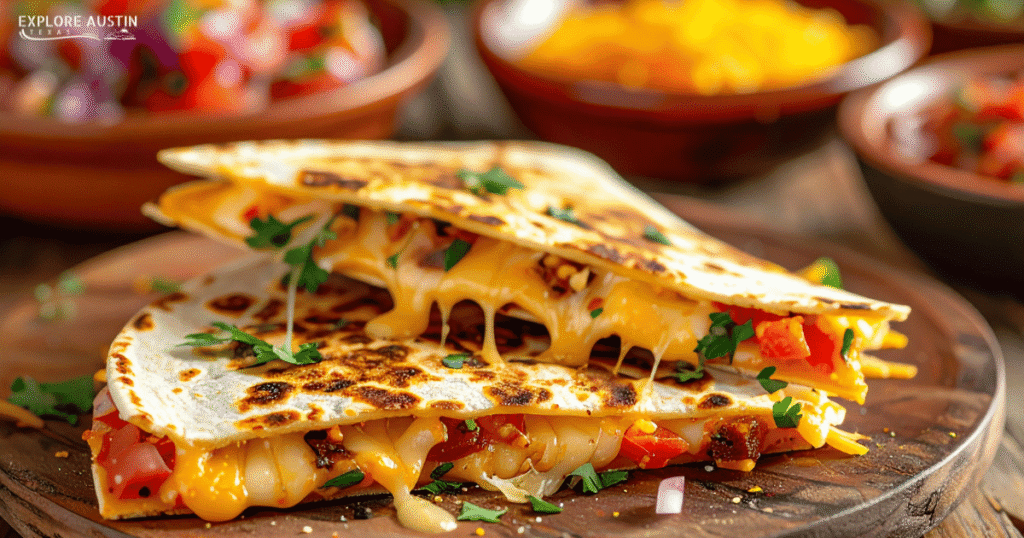
Corn tortilla, Oaxacan cheese
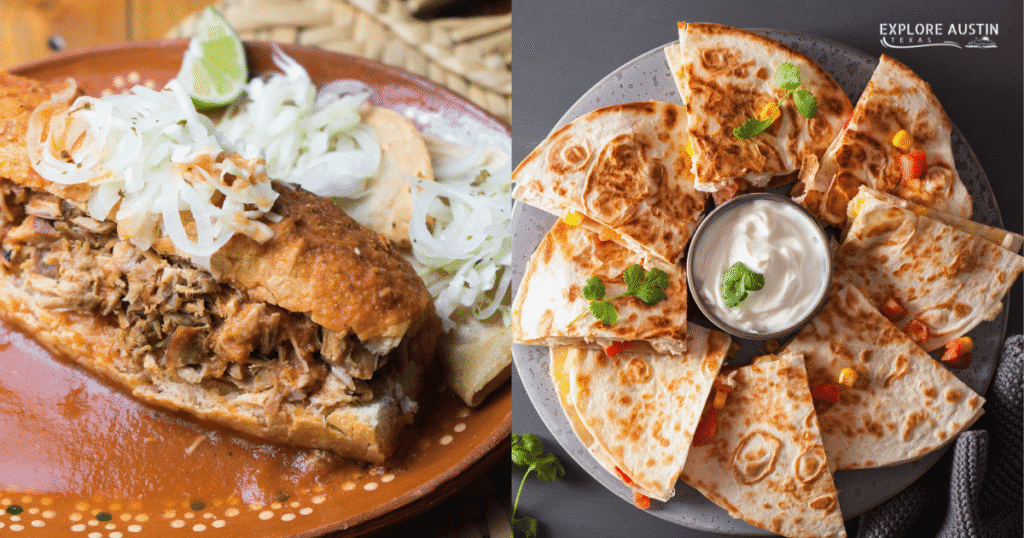
Forget the Tex-Mex version with a flour tortilla the size of a hubcap. A traditional quesadilla uses a corn tortilla, Oaxaca or Chihuahua cheese, and one thoughtful filling — mushrooms, squash blossoms, huitlacoche, or seasoned meat. The restraint is the point. When the ingredients are this good, more is just noise.
Pozole and Menudo
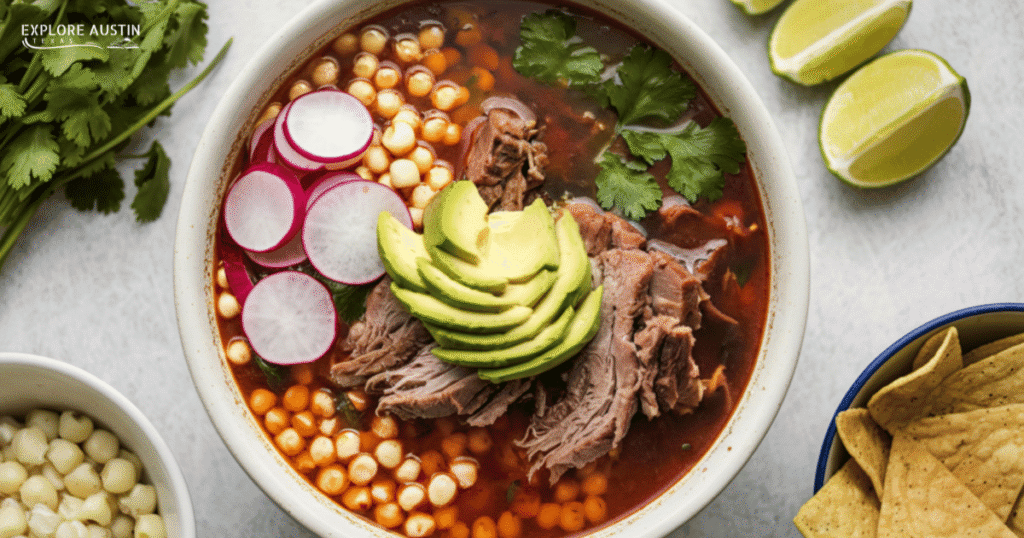
Weekend soups
These are the dishes that separate serious Mexican kitchens from everyone else. Pozole — hominy simmered for hours in pork or chicken broth with dried chiles — and menudo — slow-cooked tripe with a deep, chile-red broth — both require hours of proper preparation. They’re typically served only on weekends because they can’t be rushed. Finding a good bowl of either is worth planning your Saturday around.
Fajitas and Grilled Meats
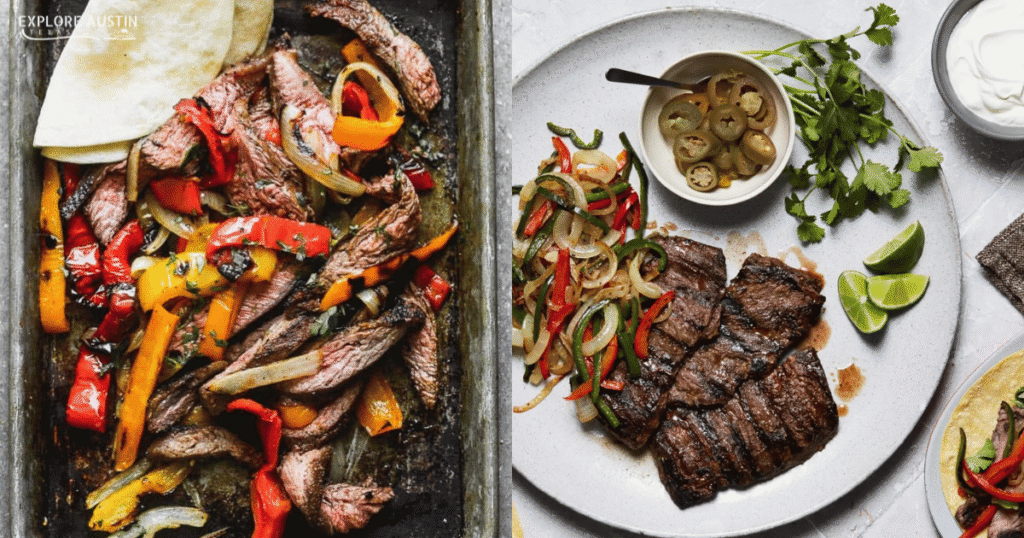
Skirt steak, carne asada
Fajitas are a Tex-Mex invention — born on Texas ranches, not in Mexico — but when done right, they’re genuinely great. The key is the cut: skirt steak, properly marinated and cooked over high heat until it develops real char. Served sizzling with warm tortillas, charred onions and peppers, and fresh-made pico. The sizzle plate is theater; what matters is the seasoning underneath.
Downtown Austin’s Mexican Food Scene
Downtown Austin offers something the East Side taquerias don’t: a refined dining experience that can hold its own for a special occasion. The best downtown spots — La Condesa in particular — combine serious culinary technique with genuinely beautiful rooms, excellent cocktail programs, and menus that change with the seasons.
The trade-off is price. You’ll pay for the atmosphere and the craft margaritas. But for a date night, a business dinner, or a meal where the occasion matters as much as the food, downtown delivers in a way the taco trucks can’t. Don’t pit them against each other — they’re doing different things.
Tex-Mex vs Traditional Mexican Cuisine
This distinction matters less than food writers like to pretend — but it does matter. Tex-Mex evolved along the Texas-Mexico border as Mexican flavors merged with American ingredients and portion expectations: yellow cheese in abundance, flour tortillas, larger plates, dishes like fajitas and queso that don’t exist in Mexico proper.
Traditional Mexican cuisine, by contrast, is regional and varied. A restaurant drawing from Oaxaca looks completely different from one drawing from Jalisco or the Yucatan. Both traditions are worth your time in Austin — the city does both at a high level. Don’t ask which is more “authentic.” Ask which one you’re in the mood for — and go somewhere that does that thing well.
Ingredients That Make the Difference
In every cuisine, the difference between a good meal and an exceptional one comes down to decisions most diners never consciously notice. In Mexican cooking, those decisions are: whether the tortillas are made from scratch (fresh nixtamal masa is in a different category from store-bought), whether the salsas are made fresh daily (a good salsa verde should taste bright and grassy, not flat and cooked), and whether the meats are seasoned overnight and cooked slowly for flavor development — not just tenderness.
The specific chiles matter too. Guajillo brings a clean, fruity heat. Ancho adds depth and a slight sweetness. Serrano is sharper and more immediate. Pasilla is earthy and dark. A kitchen that uses the right dried chile for the right dish is a kitchen that knows what it’s doing. A kitchen that uses “red chile powder” for everything probably doesn’t.
How to Find the Best Mexican Food in Austin
Austin’s Mexican food scene rewards curiosity. The best meals here often come from the least expected places — a food truck you spotted because of the line, a family diner that’s been on the same corner for thirty years, a taqueria that doesn’t have a website but has a daily trompo spinning by 10am.
Use this guide as a starting point, not a ceiling. Eat at Veracruz and El Naranjo. Then wander. Talk to locals. Ask your hotel’s housekeeping staff where they eat on Sundays — that answer, more often than not, will lead you somewhere extraordinary. Austin’s Mexican food story is still being written, neighborhood by neighborhood, tortilla by tortilla. The best way to follow it is to show up hungry and keep going.
Frequently Asked Questions:
El Naranjo for sit-down dining — Chef Iliana de la Vega’s Oaxacan menu is the most technically serious in the city. For street food, Veracruz All Natural and Las Trancas both earn it. “Authentic” is less about white tablecloths and more about whether the kitchen makes things from scratch and knows where the recipes come from.
Yes — meaningfully so. Tex-Mex evolved along the Texas-Mexico border and leans on yellow cheese, flour tortillas, larger portions, and dishes like fajitas and queso that don’t exist in Mexico. Traditional Mexican cuisine is regional and varied: what’s served in Oaxaca looks nothing like what’s served in Jalisco or Veracruz. Austin is rare in doing both well at the same time.
La Condesa is the strongest choice for a proper downtown dinner — refined, seasonal, with excellent cocktails and a beautiful room. For something more casual in the downtown area, look toward South Congress, where several solid taquerias operate within walking distance.
The range is wide. A full taco truck meal at Veracruz or Las Trancas runs $10–15 per person. A sit-down lunch at Habanero Cafe is $15–25. A dinner at El Naranjo or La Condesa with drinks will be $45–70 per person. The good news: quality doesn’t track directly with price in Austin. Some of the best meals in the city cost less than $15.
Start with a migas taco from Veracruz in the morning. Follow it with an al pastor street taco at Las Trancas for lunch. End the day with mole enchiladas or a seasonal taco at Nixta for dinner. That single day will tell you more about Austin’s Mexican food scene than any ranked list.
Yes — and it’s one of Austin’s genuine strengths. Las Trancas serves until late on weekends. Several taco trailers along 6th Street and the East Side stay open past midnight. Look for lit-up trailers with a line forming. That’s the honest signal.