For the better part of a decade, Austin has been the “it” city of the American South. The headlines have raved about the booming tech sector, the “Silicon Hills” migration, and the endless stream of people trading coastal high-rises for Texas ranch-styles. But in April 2026, the conversation has shifted from “How do I move there?” to “Is the dream still alive?”
Deciding is austin a good place to live in 2026 requires looking past the glossy brochures and into the data of a city that has officially matured. With home prices finally stabilizing after a four-year correction and a job market that has traded “hyper-growth” for “sustainable value,” Austin is no longer a speculative gold mine—it’s a major American metro finding its footing. Whether you’re a remote worker, a growing family, or a tech professional, the answer depends entirely on your priorities.
Quick Picks: Austin’s Top Parks for Residents
If you move to Austin, these “outdoor living rooms” will become your secondary backyard.
- The Crown Jewel: Zilker Park – 350 acres of green space, home to the iconic Barton Springs Pool and the newly revived Zilker Eagle mini train.
- The Modern Vista: Pease Park – Recently renovated with the viral Kingsbury Commons “Treehouse” and a focus on stroller-friendly hiking trails.
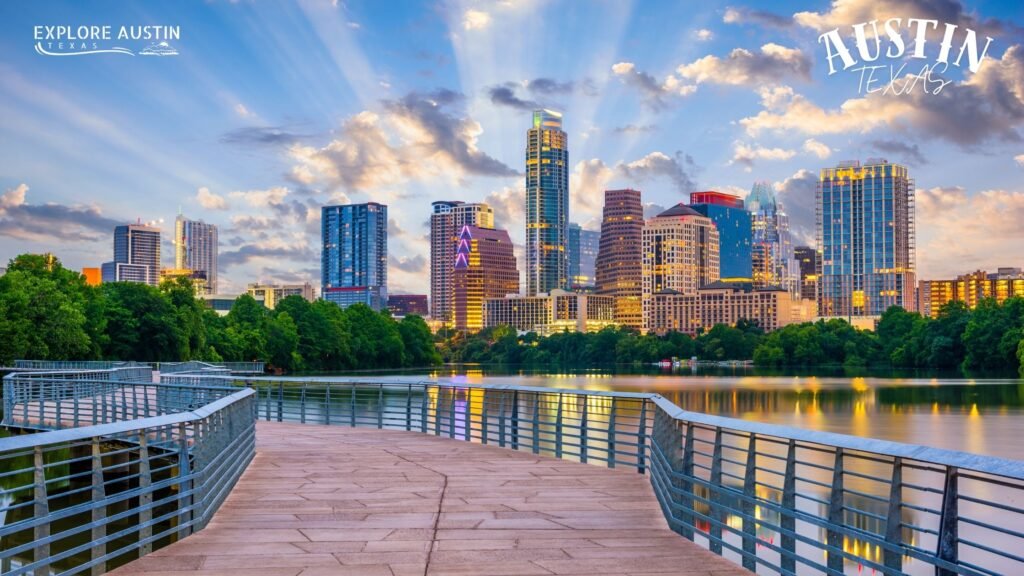
- The Skyline View: Auditorium Shores – The best spot for a jog with your dog while looking at the ever-growing downtown skyline.
- The Wild Escape: Pace Bend Park – A 45-minute drive for limestone cliff jumping and primitive camping on Lake Travis.
- The Hidden Gem: Mueller Lake Park – A master-planned park with interactive learning zones and a bustling Sunday farmers’ market.
1. The Cost of Living Reality: Is Austin Still Affordable?
One of the most frequent questions for potential residents is whether the cost of living in Austin vs. national average 2026 is still a deal.
The short answer: Austin is now firmly more expensive than the national average (about 11% higher), but it remains significantly cheaper than coastal hubs like San Francisco or NYC. The “Austin discount” has shrunk, but it hasn’t disappeared.
Housing & Real Estate 2026
As of April 14, 2026, the median sold price for an Austin home has stabilized around $450,000. This is a far cry from the $550,000 peak in 2022. For buyers, the 2026 market is a “sustainable equilibrium.” Inventory is sitting at roughly 5.4 months, meaning buyers finally have the negotiating power that was non-existent during the pandemic.
- The Pros: No state income tax and a massive selection of new construction homes with builder incentives.
- The Cons: Property taxes in Texas remain among the highest in the country, often catching former Californians by surprise.
Salary Expectations
To live “comfortably” in Austin in 2026, a single person now needs a salary of approximately $98,550, while a family of four needs a household income of roughly $229,050 to cover needs, wants, and savings.
2. The Tech Job Market: Silicon Hills in 2026

The is austin a good place to live for young professionals in 2026 debate hinges largely on employment. The “hype-driven” hiring of the early 2020s has been replaced by “value-driven” hiring.
- The Giants: Tesla, Apple, Oracle, and Samsung have completed their major campus expansions, creating a bedrock of stable, long-term employment.
- In-Demand Skills: Hiring in 2026 is concentrated in AI adoption, Cybersecurity, and Data Science.
- The Reality: Competition is higher. Remote roles are becoming more exclusive, and many companies are trending back toward hybrid models, making proximity to the “Silicon Hills” North Austin corridor a major logistical factor.
3. Lifestyle & Culture: Is Austin “Losing Its Soul?”
Long-time locals often lament the “death” of the old, weird Austin, but the 2026 reality is more of an evolution than an extinction.
The Food & Music Scene
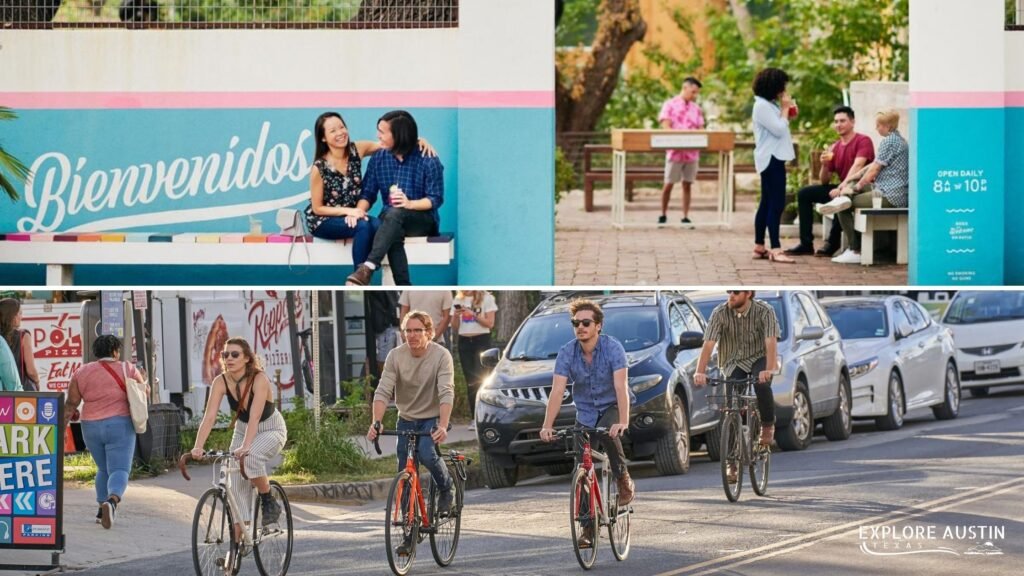
Austin remains the Live Music Capital of the World, with over 250 venues. While some historic spots have been replaced by luxury condos, the creative energy has simply moved. East Austin and South Menchaca have become the new hubs for family-friendly breweries with playgrounds and artisanal Mexican sourdough panaderías.
Outdoor Recreation
With nearly 300 sunny days a year, the outdoor lifestyle is a non-negotiable part of living here.
- Water Activities: From paddleboarding on Lady Bird Lake to scuba diving at Windy Point on Lake Travis, the city revolves around water.
- The Heat Factor: You must be prepared for the Austin summer heat. Heat index values regularly hit 105°F+ in July and August. In 2026, “survival” means doing your outdoor activities before 11:00 AM and embracing the “Air Conditioned Afternoon.”
4. The Challenges: Traffic, Infrastructure, and Heat
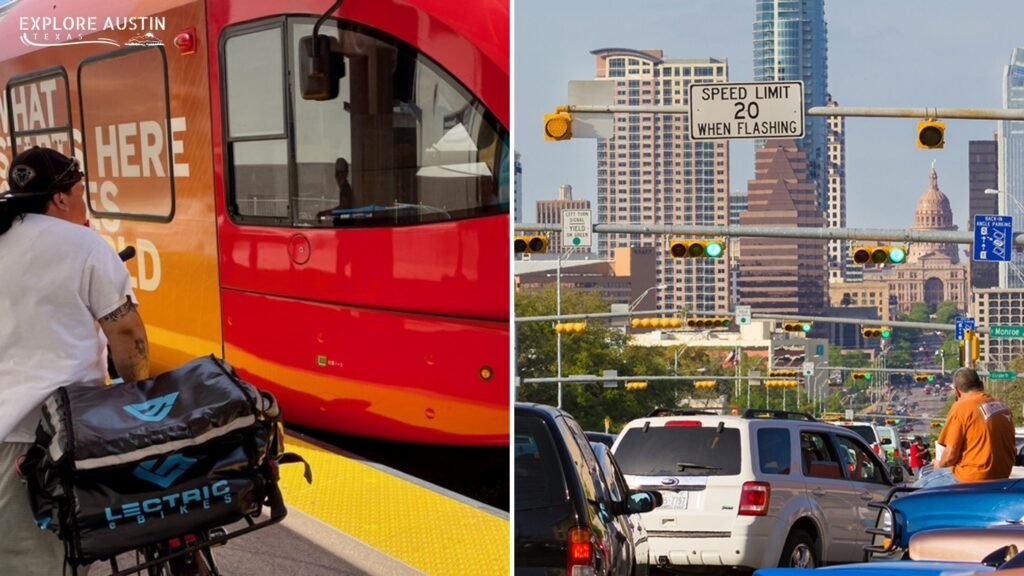
No “pros and cons” list is complete without addressing the pain points that drive residents to the suburbs.
- Traffic Congestion: Despite major I-35 expansion projects, Austin remains a car-dependent city. Commutes from suburbs like Leander or Buda can easily stretch to 45–60 minutes during rush hour.
- Public Transportation: While Project Connect (Austin’s light rail initiative) is underway, it is still a decade away from being a comprehensive solution.
- Allergies: “Cedar Fever” is a real phenomenon in Central Texas. If you have severe allergies, the winter months can be a significant challenge to your quality of life.
5. Suburb Spotlight: Where the Value Lives
If the $540,000 median price in the city proper is too steep, the 2026 Austin metro area offers several hidden gem neighborhoods with better value:
- Pflugerville: Median prices around $385,000 with excellent park systems.
- Cedar Park: The tech-commuter’s dream, located near the Apple and Dell campuses.
- Bastrop: For those seeking a rural vibe with more land, though it comes with a longer commute.

The Verdict: Is Austin Right for You?
Austin is a good place to live if you value a high-energy tech culture, a top-tier food scene, and a lifestyle built around the outdoors. It is not the “cheap” Texas alternative it once was. To thrive here in 2026, you need a plan for the heat, a tolerance for traffic, and a salary that aligns with the new Texas reality.
Frequently Asked Questions (FAQs)
Yes, provided you are in a “high-value” industry like tech, healthcare, or green energy. While entry-level competition is fierce, Austin remains a top-three US city for career networking and long-term professional growth in the tech sector.
It is intense. Expect 90+ consecutive days of temperatures over 90°F, with many breaking 100°F. However, the city is designed for this—everything is air-conditioned, and “cooling off” at Barton Springs Pool or Lake Travis is a built-in part of the culture.
Absolutely. With world-class family activities like The Thinkery, the Zilker Eagle, and highly-rated school districts like Eanes ISD (Westlake) and Round Rock ISD, it is a top-tier city for raising children.
Only in specific pockets like Downtown, Mueller, or the UT campus area. Outside of these “walkable” districts, Austin remains very car-dependent, and the lack of a comprehensive rail system makes a vehicle a necessity for most residents